
Kitchen Remodel vs Bathroom Remodel: Which Adds More Value in Massachusetts?
If you’re planning a home renovation in Massachusetts, one question almost always comes up:
Should we remodel the kitchen or the bathroom?
Most homeowners assume the answer is simple. It’s not.
The real value of a remodel isn’t just about resale; it’s about market perception, appraisal impact, and how buyers think in today’s Massachusetts real estate market.
Let’s break it down.
First: What Do the Numbers Say?
Nationally, remodeling reports show:
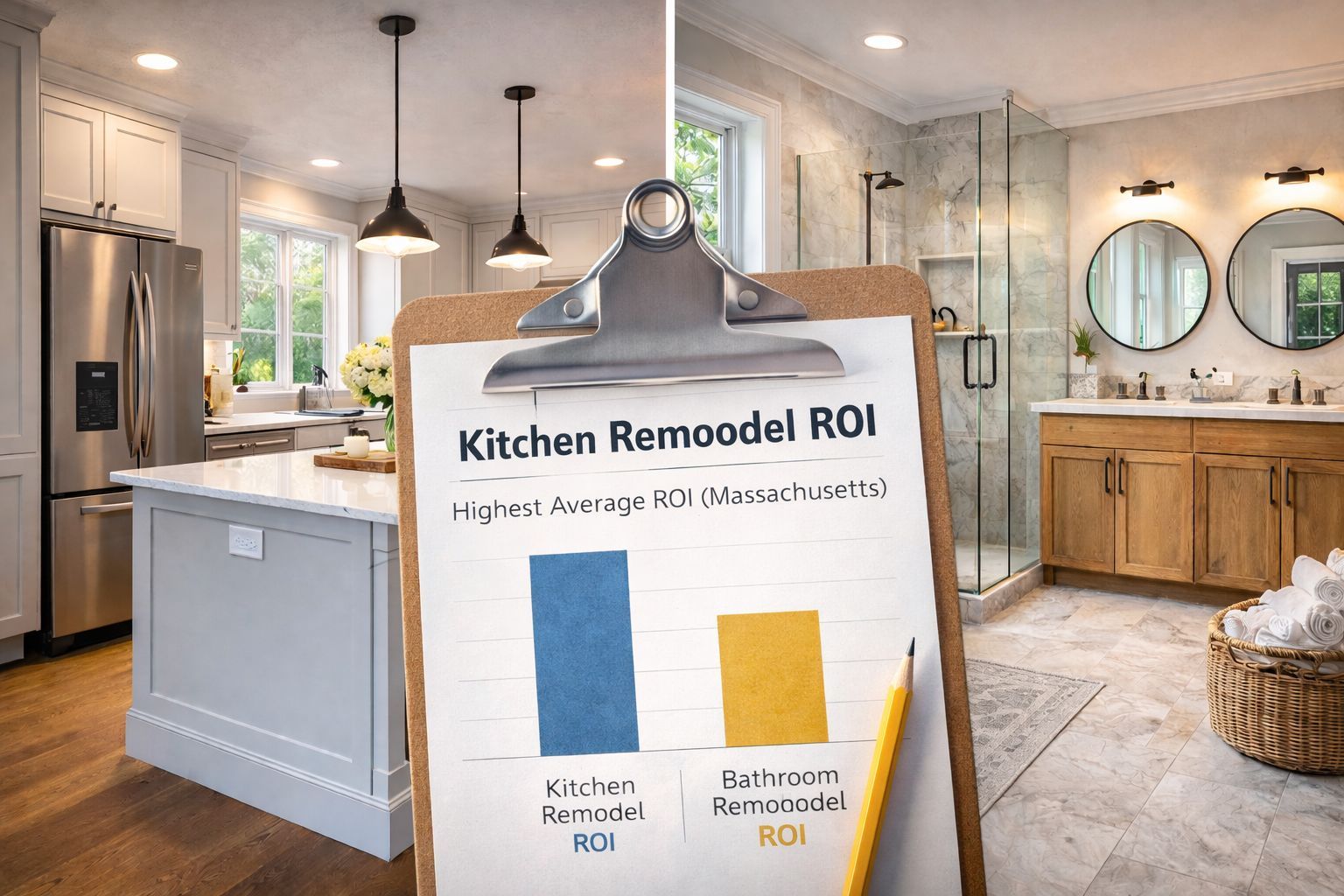
• Mid-range kitchen remodels typically recoup around 55–75% of their cost.
• Mid-range bathroom remodels typically recoup around 60–70%.
In Massachusetts, especially in competitive areas like South Shore, those numbers can shift depending on property price point and neighborhood expectations.
But here’s what most homeowners don’t consider:
ROI is not just about percentage. It’s about influence.
The Kitchen: The Emotional Driver of the Home
The kitchen is often called “the heart of the home.”
But from a market standpoint, it’s more than that.
A modern kitchen:
• Shapes first impressions
• Influences buyer emotion
• Impacts perceived home value
• Helps justify listing price
In many Massachusetts homes built decades ago, kitchens are smaller and more closed off. Updating the layout to a more open, functional space can dramatically change how the entire house feels.
Here’s the part people don’t always think about:
👉 A strong kitchen remodel can raise the perceived value of the entire home, not just the kitchen itself.
The Bathroom: The Trust Builder
Bathrooms work differently.
Buyers don’t usually fall in love with a house because of the bathroom, but they absolutely walk away because of one.
An outdated bathroom signals:
• Deferred maintenance
• Potential plumbing issues
• Hidden costs
A modern bathroom remodel:
• Increases buyer confidence
• Reduces negotiation leverage
• Improves appraisal stability
In Massachusetts, especially in older homes, updated bathrooms often act as reassurance that the home has been properly maintained.
Should we remodel the kitchen or the bathroom?
Most homeowners assume the answer is simple. It’s not.
The real value of a remodel isn’t just about resale; it’s about market perception, appraisal impact, and how buyers think in today’s Massachusetts real estate market.
Let’s break it down.
First: What Do the Numbers Say?
Nationally, remodeling reports show:
• Mid-range kitchen remodels typically recoup around 55–75% of their cost.
• Mid-range bathroom remodels typically recoup around 60–70%.
In Massachusetts, especially in competitive areas like South Shore, those numbers can shift depending on property price point and neighborhood expectations.
But here’s what most homeowners don’t consider:
ROI is not just about percentage. It’s about influence.
The Kitchen: The Emotional Driver of the Home
The kitchen is often called “the heart of the home.”
But from a market standpoint, it’s more than that.
A modern kitchen:
• Shapes first impressions
• Influences buyer emotion
• Impacts perceived home value
• Helps justify listing price
In many Massachusetts homes built decades ago, kitchens are smaller and more closed off. Updating the layout to a more open, functional space can dramatically change how the entire house feels.
Here’s the part people don’t always think about:
👉 A strong kitchen remodel can raise the perceived value of the entire home, not just the kitchen itself.
The Bathroom: The Trust Builder
Bathrooms work differently.
Buyers don’t usually fall in love with a house because of the bathroom, but they absolutely walk away because of one.
An outdated bathroom signals:
• Deferred maintenance
• Potential plumbing issues
• Hidden costs
A modern bathroom remodel:
• Increases buyer confidence
• Reduces negotiation leverage
• Improves appraisal stability
In Massachusetts, especially in older homes, updated bathrooms often act as reassurance that the home has been properly maintained.
So… Which Adds More Value in Massachusetts?
Here’s the real answer: It depends on your starting point.
If your kitchen is severely outdated and the rest of the home is updated, the kitchen will have a greater impact.
If your kitchen is decent but the bathrooms are visibly aging, the bathroom remodel may protect your home’s market value more effectively.
At Resant Improvement LLC, we help homeowners evaluate which renovation will deliver the most impact, whether that’s a kitchen remodel, bathroom renovation, or a larger home improvement project.
Every home and every neighborhood in Massachusetts is different. The right decision starts with understanding your property and your goals.
If you’re considering a remodel and want guidance based on real market insight, we’d be happy to help.
Contact us today!

Adding a garage while updating a kitchen or bathroom can make a home feel much easier to use. Projects like this usually begin with a practical need. The family may need covered parking, better storage, a more functional kitchen, or a bathroom that feels cleaner and more comfortable for daily use.

A home can feel uncomfortable in the summer even when the air conditioner is running. In Massachusetts, many houses were built to handle cold weather, but summer heat can reveal a different set of problems. Rooms upstairs get warmer, sunlight hits the same windows for hours, and poor airflow makes certain areas feel heavy by the afternoon. Start by noticing where the heat builds up first.
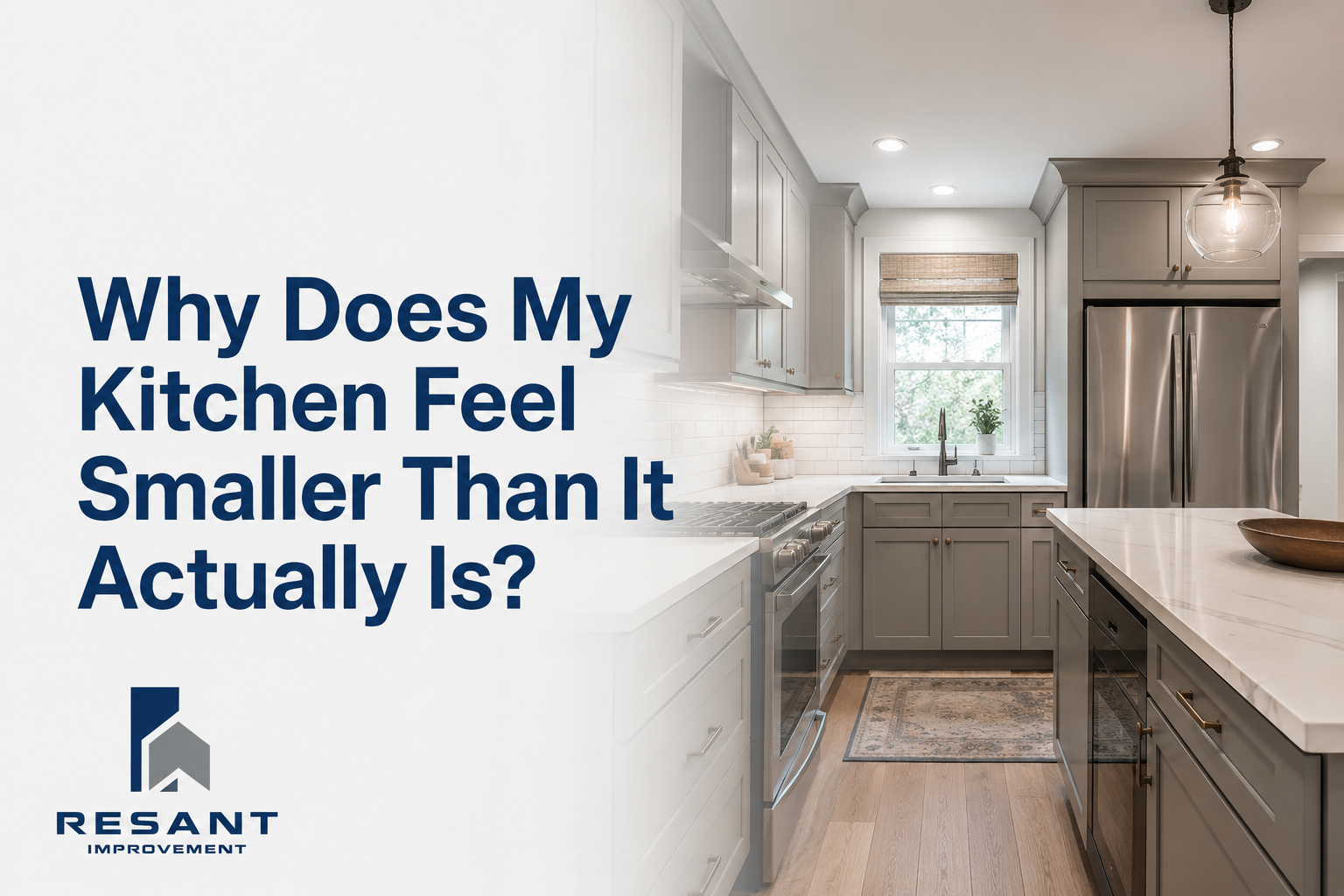
A kitchen can have enough square footage and still feel tight every day. Most of the time, the problem comes from how the space works during real use. A few extra steps while cooking, cabinets in the wrong places, poor storage, or a layout that interrupts movement can make the kitchen feel smaller than it really is. One of the first things to notice is where items keep piling up. If counters are always covered with appliances, mail, dishes, or cooking tools, the kitchen may need better storage instead of more space.
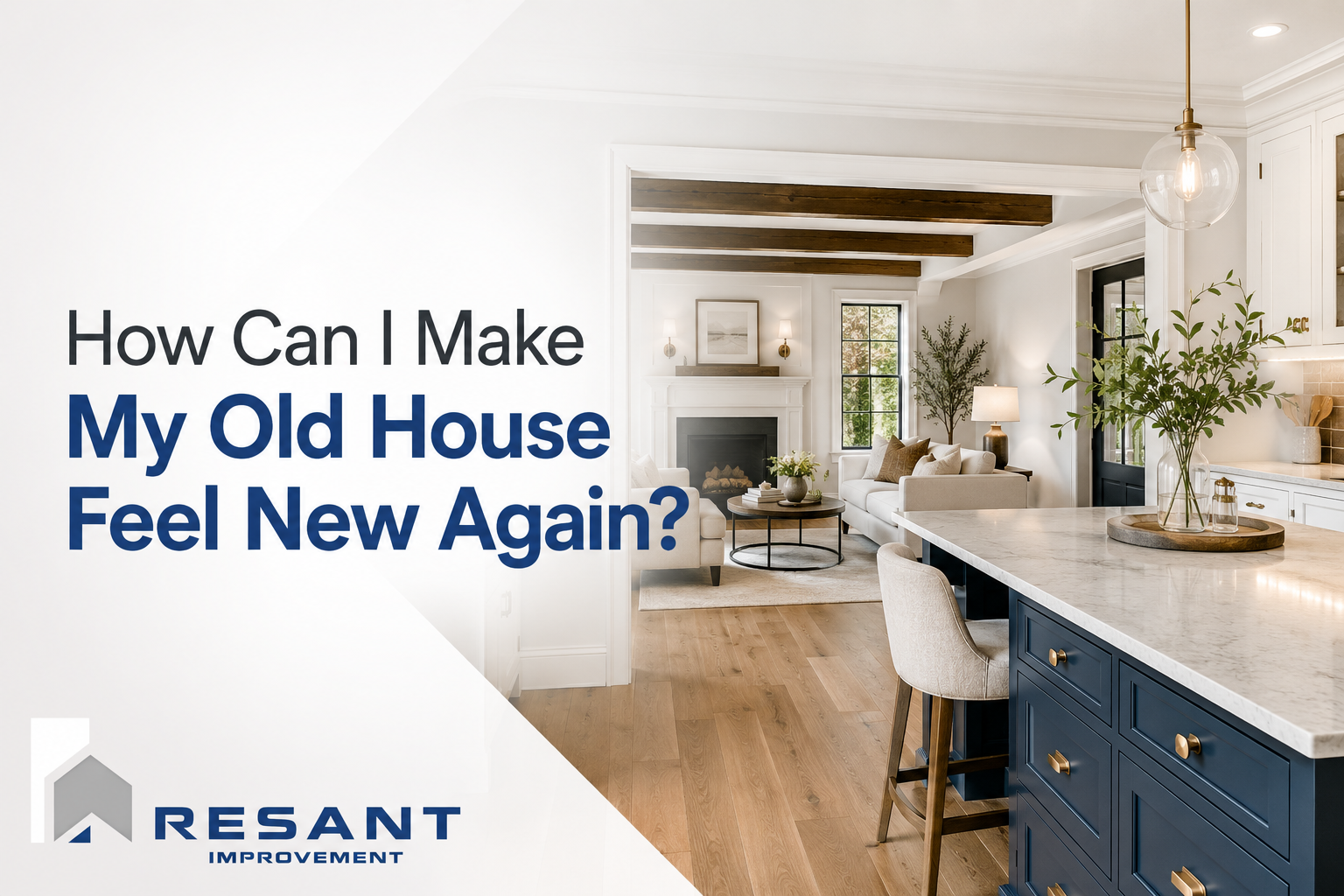
An older house does not always need a full renovation to feel updated. In many cases, the biggest difference comes from fixing the details that make the home feel tired: poor lighting, worn finishes, outdated fixtures, damaged trim, old flooring, and rooms that no longer match the way people live. Start with the areas you notice every day. A dark hallway, a kitchen with limited counter space, or a bathroom with old tile can make the whole home feel older than it really is.

Before putting a house on the market, many sellers wonder where to spend money and where to hold back. The smartest repairs are usually the ones that remove doubt from the buyer’s mind. Start with anything that makes the home feel neglected. Peeling paint, damaged trim, loose railings, cracked tile, stained ceilings, and doors that do not close properly may seem small, but buyers often see them as signs of poor maintenance.

Buying another property is not the only way to create rental income. For many homeowners, the opportunity may already be sitting in the backyard. An ADU, or Accessory Dwelling Unit, is a small independent living space built on the same property as the main home. With the right layout, it can become a guest suite, a rental unit, or a flexible space for future family needs.

Hosting family can be wonderful, but sharing the same space for days or weeks can quickly become uncomfortable. That is one reason more homeowners are looking at ADUs as a practical solution. An Accessory Dwelling Unit gives guests, parents, adult children, or relatives a private place to stay while keeping everyone close. The biggest advantage is separation without distance.

Some home issues are easy to ignore at first. A small crack. A door that starts sticking. A floor that feels uneven. A moisture mark in the basement. Sometimes these signs are harmless, but they can also point to something deeper. The first thing to notice is change. If a crack has been there for years and never moved, it may not be urgent. But if it is getting wider, spreading, or appearing near doors and windows, it deserves attention.
When you live in the same home every day, your eyes start to skip over certain things. That is where many homeowners miss opportunities. A home can be clean and still feel difficult to live in. The issue is often in the small areas that keep creating friction. For example, the basement may need a clear purpose instead of becoming the place where everything gets left. The best way to notice these problems again is to pay attention to patterns.

A home can feel disorganized even when it has enough square footage. The first step is to look at where clutter keeps returning. That spot is usually telling you something. Shoes near the door may mean the entryway does not have a good drop zone. Towels and products around the bathroom may mean the storage looks nice, but does not actually work. Before adding more shelves or buying more baskets, pay attention to the routine of the house. What items are used every day? Which surfaces become messy first? What needs to be hidden, and what needs to stay easy to reach?