Is it better to Remodel or Move in Today's Massachussetts market?
If you’re feeling like your home no longer fits your lifestyle, you’re not alone.
Across South Shore and throughout Massachusetts, many homeowners are asking the same question: Should we remodel or should we move?
With today’s housing market conditions, the answer isn’t always obvious. Let’s break it down.
The Reality of the Massachusetts Housing Market
Home prices across Massachusetts remain high, especially in desirable areas like South Shore.
Moving often means:
• Paying a higher mortgage rate
• Competing in a tight inventory market
• Paying closing costs
• Moving expenses
• Property taxes reassessment
• The stress of buying and selling
For many families, moving can cost significantly more than expected.
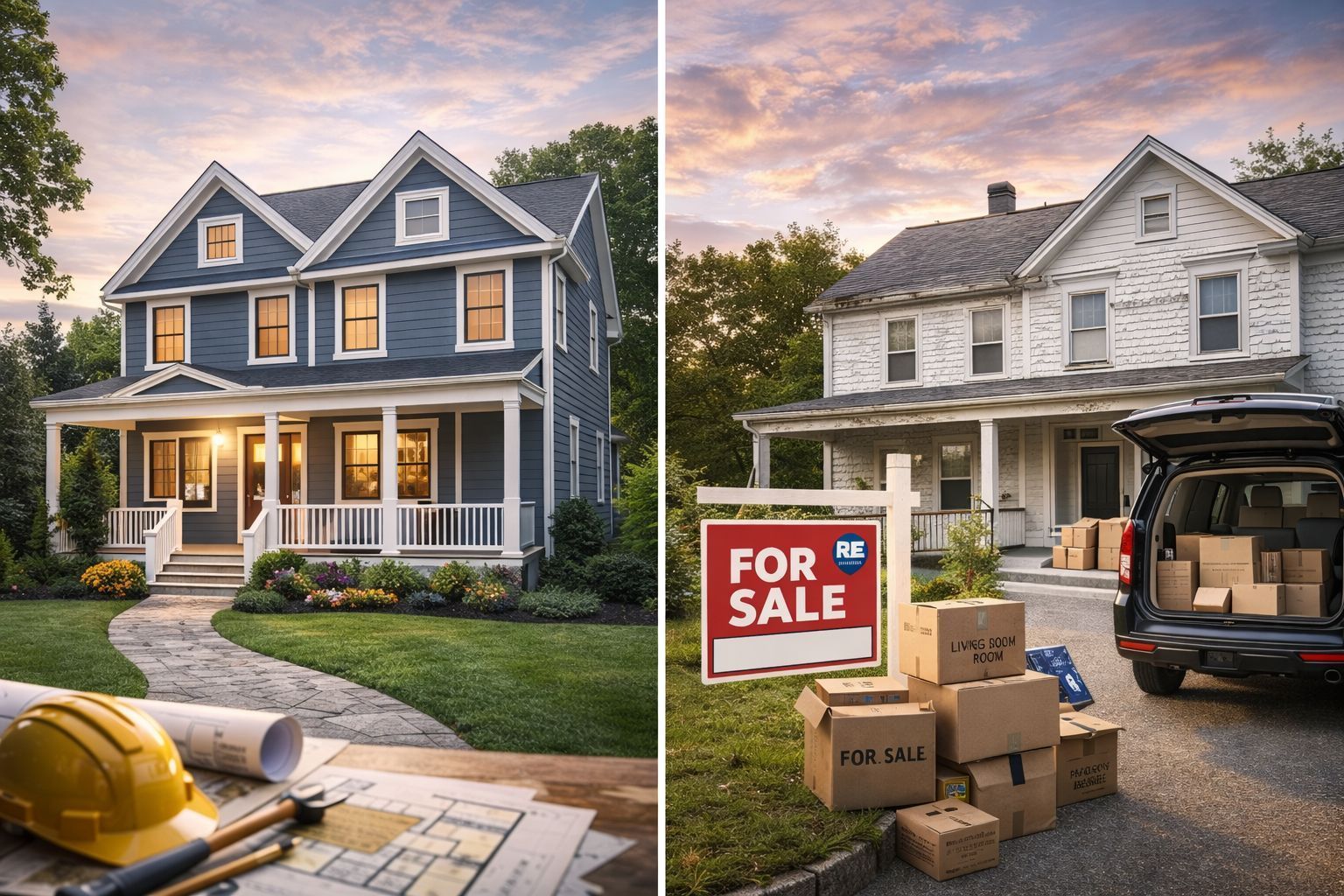
When Remodeling Makes More Sense
Home remodeling in Massachusetts may be the better option if:
✔ You love your neighborhood
✔ Your home just needs more space
✔ The layout feels outdated
✔ You need a larger kitchen
✔ You need a home office
✔ Your family is growing
Instead of relocating, many homeowners are choosing:
• Kitchen remodeling
• Home extensions
• Garage expansions
• ADU construction
• Interior layout reconfiguration
A well-planned home remodel allows you to customize your space exactly how you want it, without leaving your community.
When Moving Might Be the Better Option
There are situations where moving makes sense:
• Your home has structural limitations
• The lot doesn’t allow expansion
• You need significantly more square footage
• Major zoning restrictions apply
But in many cases, homeowners discover that remodeling provides more value and less disruption.
Thinking About Remodeling in South Shore, Massachusetts?
At Resant Improvement LLC, we help homeowners evaluate their options, whether that’s a kitchen remodel, home extension, ADU, or full home renovation.
We provide realistic guidance, permit management, and professional construction from start to finish.
If you’re debating whether to remodel or move, we’d be happy to help you explore what’s possible.
📞 Call 774-360-8690

Adding a garage while updating a kitchen or bathroom can make a home feel much easier to use. Projects like this usually begin with a practical need. The family may need covered parking, better storage, a more functional kitchen, or a bathroom that feels cleaner and more comfortable for daily use.

A home can feel uncomfortable in the summer even when the air conditioner is running. In Massachusetts, many houses were built to handle cold weather, but summer heat can reveal a different set of problems. Rooms upstairs get warmer, sunlight hits the same windows for hours, and poor airflow makes certain areas feel heavy by the afternoon. Start by noticing where the heat builds up first.
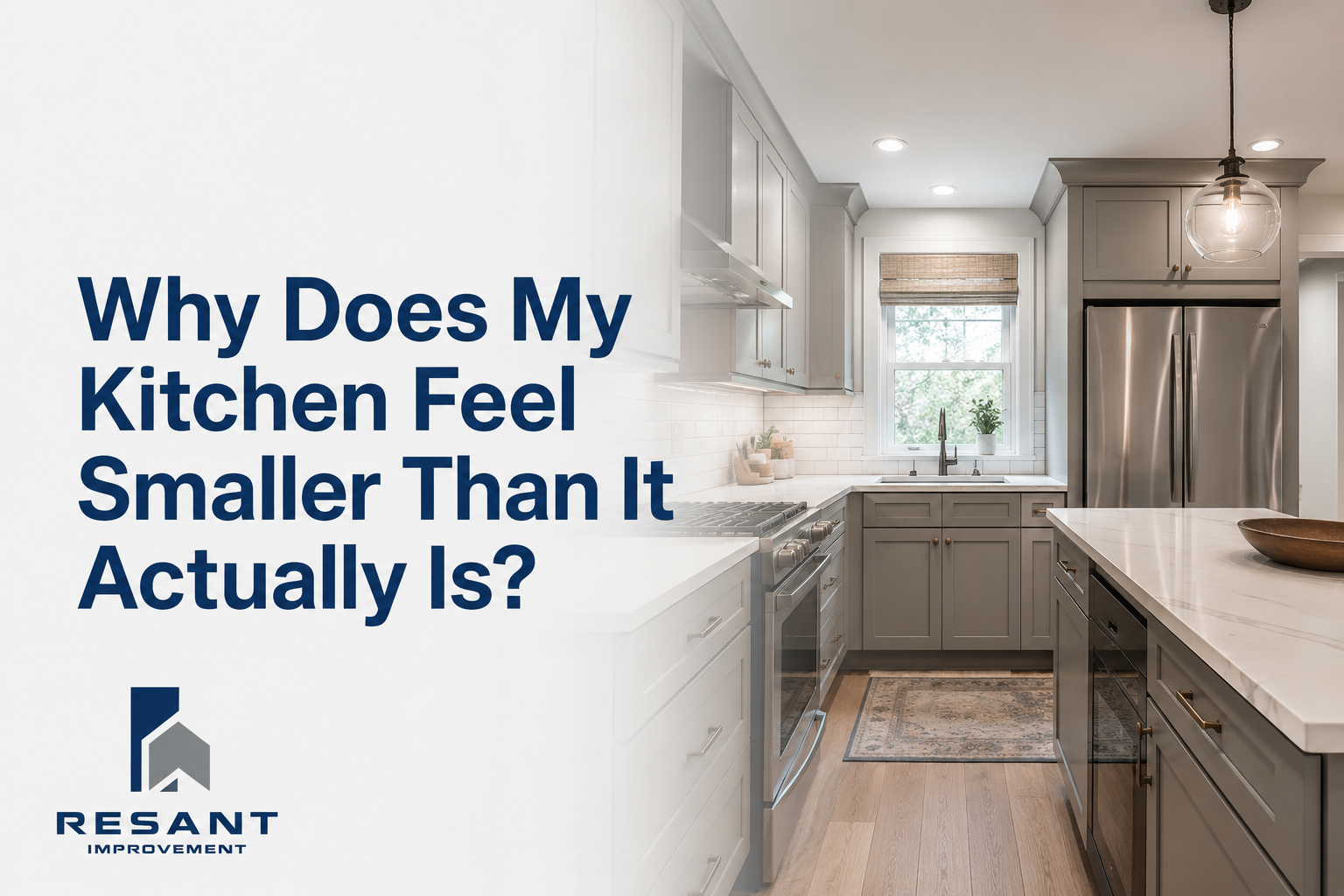
A kitchen can have enough square footage and still feel tight every day. Most of the time, the problem comes from how the space works during real use. A few extra steps while cooking, cabinets in the wrong places, poor storage, or a layout that interrupts movement can make the kitchen feel smaller than it really is. One of the first things to notice is where items keep piling up. If counters are always covered with appliances, mail, dishes, or cooking tools, the kitchen may need better storage instead of more space.
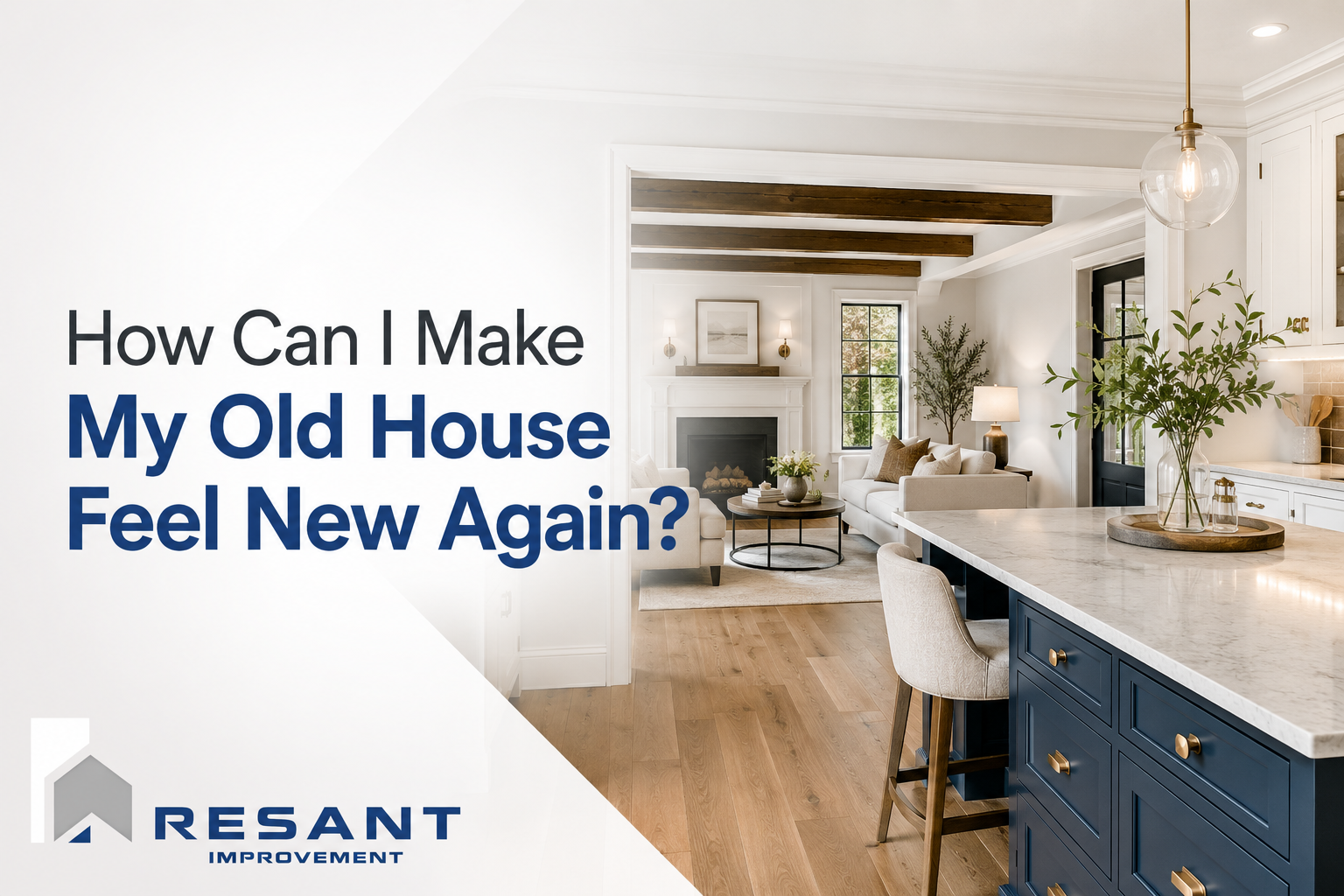
An older house does not always need a full renovation to feel updated. In many cases, the biggest difference comes from fixing the details that make the home feel tired: poor lighting, worn finishes, outdated fixtures, damaged trim, old flooring, and rooms that no longer match the way people live. Start with the areas you notice every day. A dark hallway, a kitchen with limited counter space, or a bathroom with old tile can make the whole home feel older than it really is.

Before putting a house on the market, many sellers wonder where to spend money and where to hold back. The smartest repairs are usually the ones that remove doubt from the buyer’s mind. Start with anything that makes the home feel neglected. Peeling paint, damaged trim, loose railings, cracked tile, stained ceilings, and doors that do not close properly may seem small, but buyers often see them as signs of poor maintenance.

Buying another property is not the only way to create rental income. For many homeowners, the opportunity may already be sitting in the backyard. An ADU, or Accessory Dwelling Unit, is a small independent living space built on the same property as the main home. With the right layout, it can become a guest suite, a rental unit, or a flexible space for future family needs.

Hosting family can be wonderful, but sharing the same space for days or weeks can quickly become uncomfortable. That is one reason more homeowners are looking at ADUs as a practical solution. An Accessory Dwelling Unit gives guests, parents, adult children, or relatives a private place to stay while keeping everyone close. The biggest advantage is separation without distance.
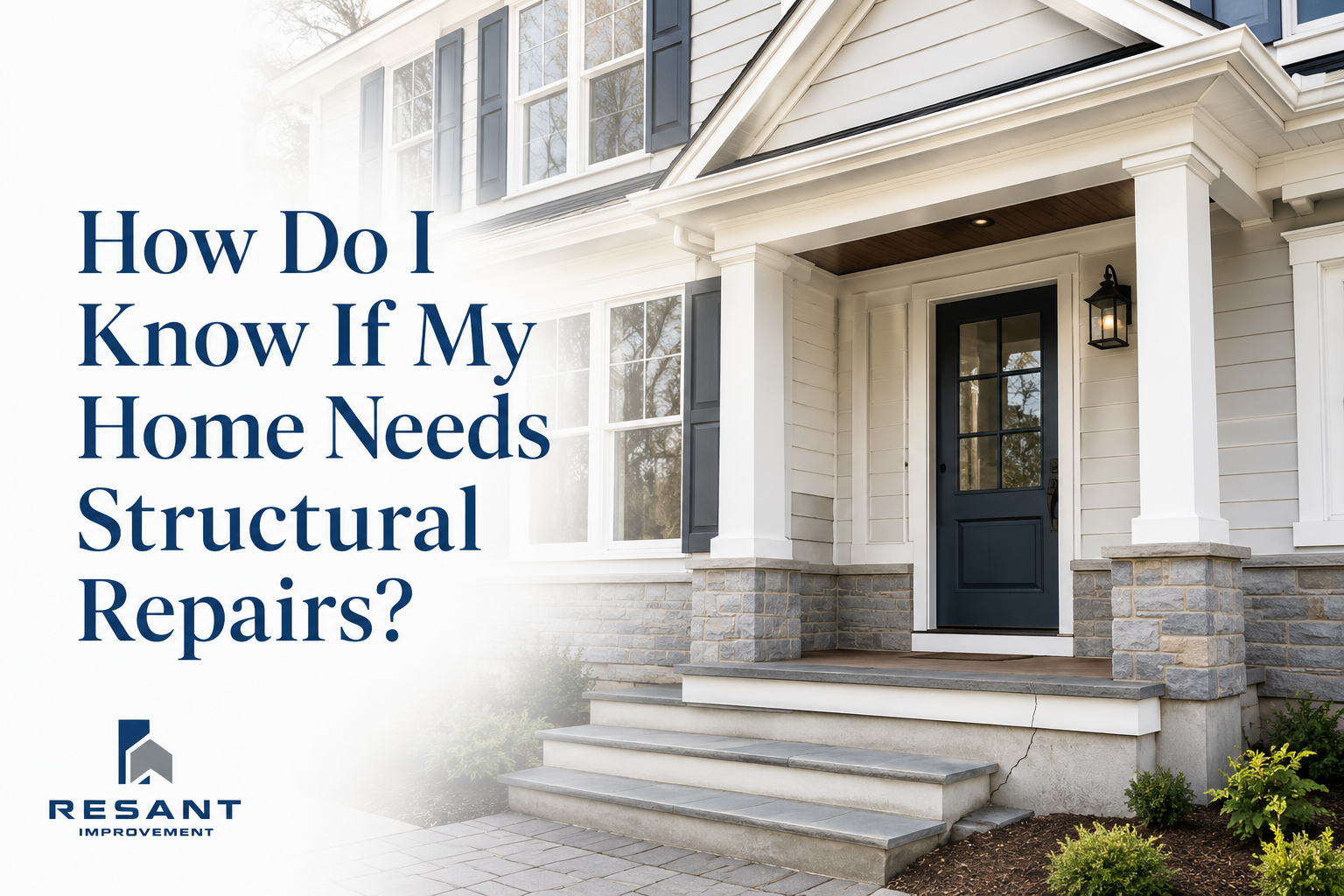
Some home issues are easy to ignore at first. A small crack. A door that starts sticking. A floor that feels uneven. A moisture mark in the basement. Sometimes these signs are harmless, but they can also point to something deeper. The first thing to notice is change. If a crack has been there for years and never moved, it may not be urgent. But if it is getting wider, spreading, or appearing near doors and windows, it deserves attention.
When you live in the same home every day, your eyes start to skip over certain things. That is where many homeowners miss opportunities. A home can be clean and still feel difficult to live in. The issue is often in the small areas that keep creating friction. For example, the basement may need a clear purpose instead of becoming the place where everything gets left. The best way to notice these problems again is to pay attention to patterns.
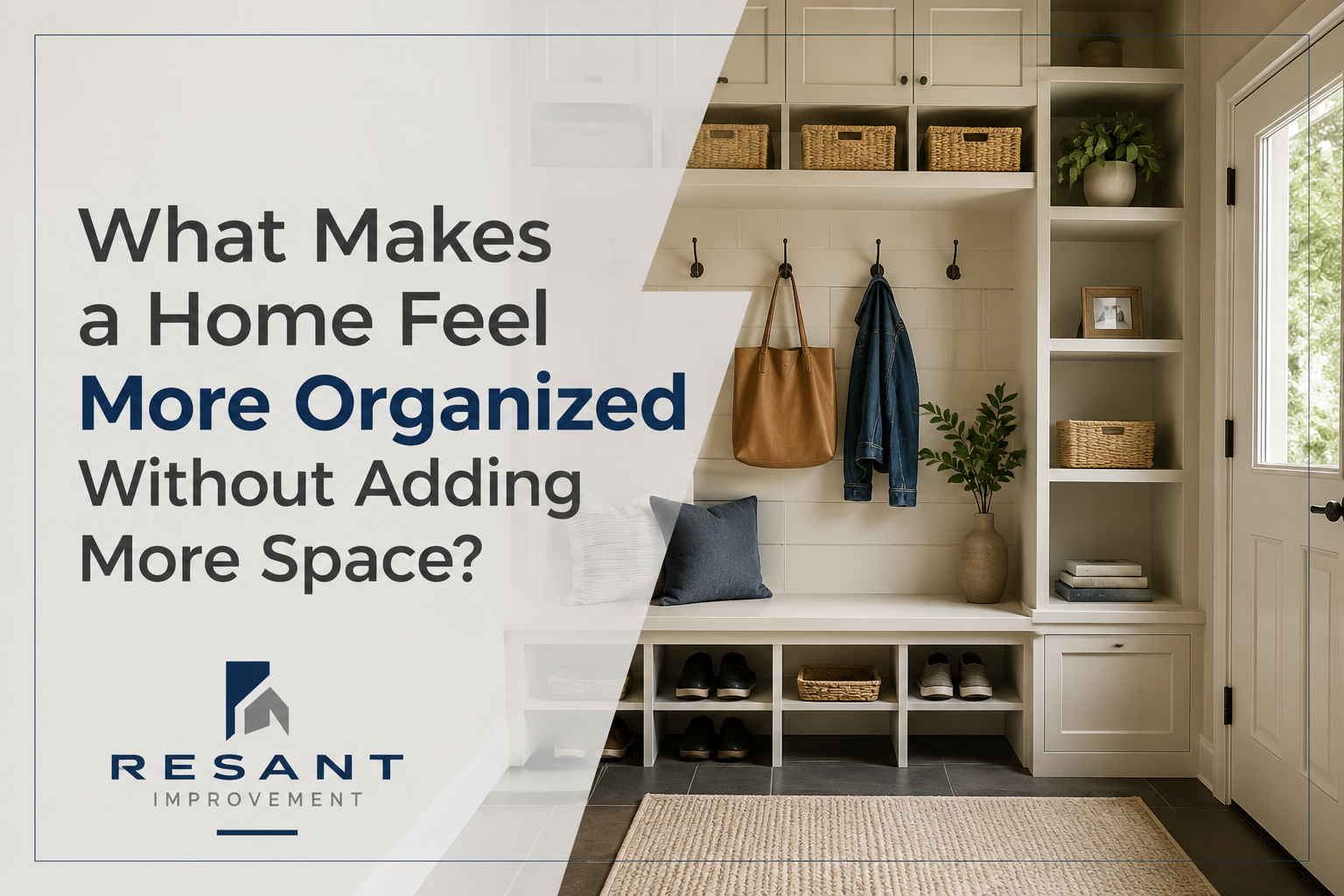
A home can feel disorganized even when it has enough square footage. The first step is to look at where clutter keeps returning. That spot is usually telling you something. Shoes near the door may mean the entryway does not have a good drop zone. Towels and products around the bathroom may mean the storage looks nice, but does not actually work. Before adding more shelves or buying more baskets, pay attention to the routine of the house. What items are used every day? Which surfaces become messy first? What needs to be hidden, and what needs to stay easy to reach?